La Colaborativa Supports Local Women to Open Childcare Co-Op

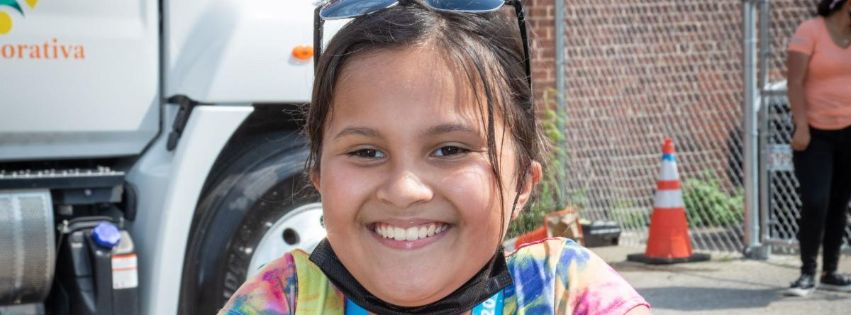
Childcare Co-op
Photo by: Darlene DeVita

The pandemic threw many families into crisis, as they navigated the impossible balance between staying healthy, keeping food on the table, and caring for their children. With school and daycare shutdown, parents relied on a haphazard patchwork of childcare from friends, family, and neighbors. Community members reported that childcare was a major barrier between working and reaching their financial goals. What happened next? Women in our community united together to care for one another and their families.

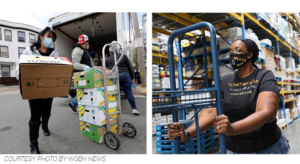
La Colaborativa mobilized to help families access the basic resources they needed to survive – direct cash assistance, unemployment support, rental assistance, food, diapers, healthcare, and vaccinations. Now – as we near the two-year mark of the pandemic, we are taking the next step to move our families out of survival mode and into stability.

One powerful tool for doing this is worker-owned cooperatives, which can uplift workers from minimum wage jobs in profitable industries. La Colaborativa helps to organize workers in these industries, connects them to legal and financial technical assistance, marketing support, and client networks.

Building back a stronger Chelsea means we must invest in childcare where both families and caregivers are centered. We are shifting away from the emergency response efforts carried out at the height of the pandemic to keep families afloat to take the bandage off these issues and tackle the structural failures that led to the need in the first place. We must focus on creating a sustainable economic future alongside these strong women who have united to not only build a new business, but to support one another and members of the community in desperate need of childcare. This member driven community cooperative presents a better, brighter future for our community. This work cannot be supported without the ongoing support and generosity of those who want to see this new program succeed.
Land Acknowledgment

At La Colaborativa, we believe that building a more just, equitable, and healthy future begins with recognizing the histories of the land and the communities that came before us, while confronting the systemic inequities that continue to shape our society today.

We acknowledge that La Colaborativa is located in Winnisimmet, now known as Chelsea, Massachusetts, on the ancestral and unceded homeland of the Massachusett People, whose deep connections to this land, culture, and community endure today.

We honor the Indigenous peoples who have stewarded this land for generations and recognize the lasting consequences of colonization, forced displacement, dispossession, and systemic injustice. These histories are not simply part of the past. Their legacies continue to influence access to land, housing, healthcare, education, economic opportunity, and the resources that allow individuals, families, and communities to thrive.

At La Colaborativa, we understand that health equity cannot be achieved without addressing the social determinants of health, the conditions in which people are born, grow, live, work, and age.

Structural racism, poverty, housing instability, food insecurity, and barriers to education, employment, and healthcare disproportionately affect immigrant, Indigenous, and historically marginalized communities, perpetuating cycles of inequality across generations.

This understanding is at the heart of La Colaborativa's holistic, community-driven model. Our work recognizes that the challenges facing our communities are deeply interconnected and cannot be addressed in isolation. By integrating housing stability, food access, healthcare, workforce development, education, economic mobility, and community advocacy, we work to address the root causes of inequity, strengthen community resilience, and create pathways toward lasting social and economic opportunity.

Rooted in our mission of Levantando al Pueblo, we believe that meaningful change begins by centering the voices, experiences, cultural identities, and leadership of the communities most affected by systemic injustice. Just as we honor the resilience and enduring presence of Indigenous peoples, we recognize the strength of immigrant families and historically marginalized communities who continue to shape our collective future.

For us, a land acknowledgment is more than a statement of respect. It is a reminder of our responsibility to turn recognition into meaningful action, challenge the systems that perpetuate inequality, and advance a model of community well-being grounded in dignity, belonging, self-determination, and justice.

We offer this acknowledgment with respect and gratitude to the Massachusett People, their ancestors, elders, and present-day communities, and with a continued commitment to learning, solidarity, and building a future where every community has the resources, opportunities, and power to thrive.